


Successful Cases

Fair Compensation for a Pickup Truck Injury
Despite a complex liability dispute, I secured the maximum policy limits for a client who suffered a traumatic injury after being thrown from the back of a pickup truck.
Fair Compensation for a Pickup Truck Injury
Despite a complex liability dispute, I secured the maximum policy limits for a client who suffered a traumatic injury after being thrown from the back of a pickup truck.
Car Accident Coverage Saved from False Cancellation
I won against an insurance company that tried to wrongfully deny coverage by falsifying documents, getting my client's policy reinstated and her claim paid in full.
Car Accident Coverage Saved from False Cancellation
I won against an insurance company that tried to wrongfully deny coverage by falsifying documents, getting my client's policy reinstated and her claim paid in full.
Rejected Car Accident Claim Wins Full Settlement
I overturned a liability denial on a case other lawyers rejected, securing the full policy limits for a client severely injured in a major collision.
Rejected Car Accident Claim Wins Full Settlement
I overturned a liability denial on a case other lawyers rejected, securing the full policy limits for a client severely injured in a major collision.
%20(1).avif)

Applewhite
Your Dedicated Austin Premises Liability Lawyer
Most of the premises liability cases I take on start with something a property owner walked past for months without fixing: a stair rail that had been loose since spring, a pool gate that never quite latched, a parking garage where half the lights had burned out, and nobody replaced them. Nobody got hurt until the day somebody finally did.
I'm Ashley Applewhite, and for 18 years I've successfully worked injury cases across Texas, including years on the other side, representing the same insurance companies that now try to deny my clients' claims. That's why I know how an adjuster builds a file to blame the person who fell, and how to take that file apart for slip-and-falls, dog bites, pool accidents, negligent security injuries, and every other type of premises liability case across Travis County.





Premises Liability in Austin and Texas
Property owners and businesses owe a legal duty to the people who come onto their property lawfully, and how far that duty reaches depends on why you were there. Under Texas law, someone invited onto a property for the owner's business benefit (a customer, a tenant, a client) is owed the highest duty of care: the owner has to inspect for hazards, fix what they find, and warn about anything they can't fix right away. A social guest, on the property with permission but not for the owner's business benefit, is owed a more limited duty, and a trespasser is owed the least.
Not every maintenance problem turns into a premises liability claim. It becomes one when the property owner actually knew about the danger, or would have caught it through a normal inspection, and left it in place anyway. That gap is what separates an unlucky accident from a case worth pursuing: whether the owner had a real chance to fix the problem before you got hurt on it.
Were You or a Loved One Injured in Austin?
Premises liability claims get complicated fast. More than one party can share responsibility for a single fall: the property owner, a management company that never scheduled the repair, a maintenance contractor who did the job badly, a security firm that didn't staff the lot properly. Insurance policies from each of those parties can overlap, conflict, or point fingers at each other. And the property owner's own insurer starts building a defense almost immediately, often before you've left the emergency room.
A personal injury lawyer sorts that out for you. I identify every party who shares responsibility, figure out what your claim is realistically worth, and handle the back-and-forth with adjusters whose job is to pay you as little as possible.
Common Premises Liability Cases I Handle in Austin
Many factors can cause or contribute to a premises liability accident, including spills, trip hazards, defective stairs, wet floors, torn carpet, loose or broken tiles, fire safety issues, building code violations, and more. Any one or any combination of these issues can cause accidents and injuries to unsuspecting workers, visitors, employees, and others.
Slips, Trips, and Falls

Wet floors with no warning sign, icy patches nobody salted, and uneven pavement account for more of my premises cases than any other single hazard. I've broken down average slip and fall settlement amounts in Texas on a separate page if you want a sense of what these claims are typically worth.
Elevator and Escalator Accidents
An elevator that drops unexpectedly, or an escalator that keeps running with a known mechanical fault, usually points straight back to a maintenance schedule the property either ignored or never had in the first place. These cases often come down to inspection and service records, which I request and preserve early.
Stair, Ceiling, or Balcony Collapse
A structural failure like a collapsed railing, a caved-in ceiling tile, or a balcony that gives way rarely happens without warning signs the owner should have caught. I look for prior complaints, inspection reports, and repair work that was scheduled but never finished.
Negligent Security
When someone is assaulted, robbed, or attacked on a property with broken locks, no working lighting, or disabled cameras, the property owner can share responsibility for failing to provide reasonable security. That's especially true when there's a documented history of prior incidents the owner knew about and did nothing to address.
Amusement Park Accidents
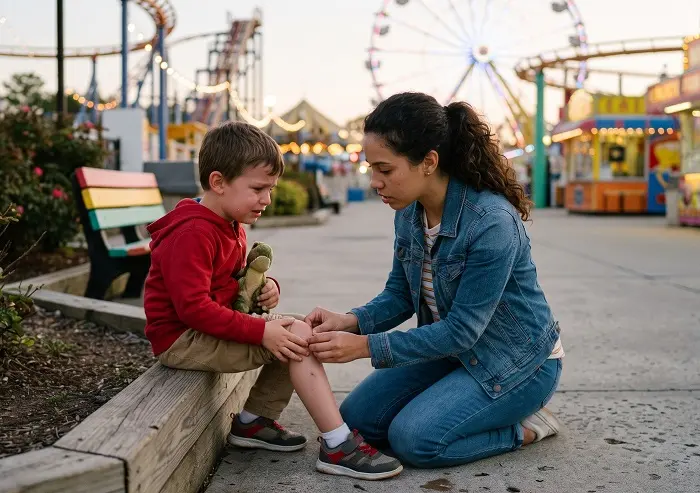
Ride malfunctions, poorly maintained equipment, and undertrained staff at Austin-area parks and fairs can quickly turn a family outing into a serious injury case. These claims often involve the equipment manufacturer alongside the property owner's own negligence.
Swimming Pool Accidents
Broken pool fencing, latches that don't catch, and missing lifeguards where one is legally required show up regularly in the pool cases I handle. Texas has specific safety requirements for residential and public pools, and violating those rules is often the clearest evidence in a case.
Inadequate Lighting
A dark stairwell, an unlit parking garage, or a walkway where half the fixtures have been out for months creates exactly the kind of hazard that's easy to overlook until someone gets hurt. Poor lighting can also compound liability in security cases, since it's often what lets another problem go unnoticed for so long.
Obstructions
Merchandise left in an aisle, cords running across a walkway, or construction debris that was never cordoned off are common causes of trip-and-fall injuries in stores and on job sites. These cases usually turn on whether the obstruction sat there long enough that the owner should have noticed and cleared it.
Poor Maintenance
Rotting stairs, faulty wiring, and repairs the owner knew about but never got around to making show up across nearly every type of premises case I handle. A maintenance log, or a conspicuous gap in one, is often the single strongest piece of evidence I can point to.
Animal Attacks
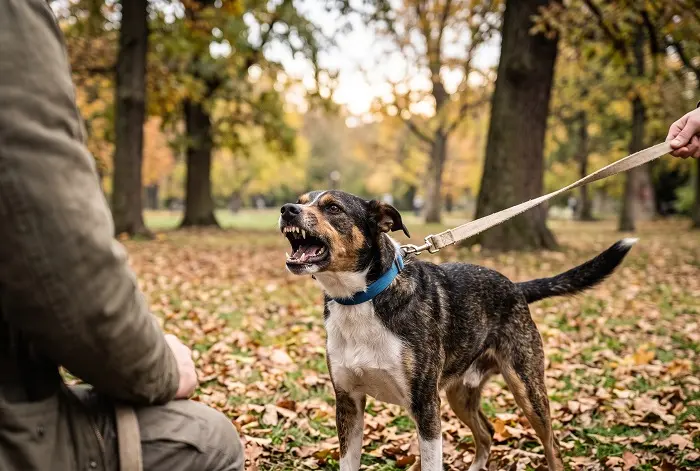
Texas holds dog owners to what's often called a "one bite" standard, but that doesn't mean a first attack is automatically free of liability. If the owner knew the animal had aggressive tendencies, or a landlord ignored warnings about a dangerous pet on the property, a claim can still exist even without a documented prior bite.
Premises liability injuries commonly occur in parking lots and garages, in retail stores, at bars and nightclubs, in others’ homes, at grocery stores, at work, at hotels, in office buildings, at movie theaters, and in a variety of other public and private spaces.
What a Premises Liability Claim Can Recover
A premises liability settlement isn't limited to your hospital bill from the day of the fall. Depending on how serious the injury is, a claim can include:
- Medical costs, both what you've already spent and treatment you'll still need going forward.
- Lost wages, plus any lasting hit to what you're able to earn if the injury affects your work long-term.
- Physical pain and the toll the injury has taken on your day-to-day life.
- Permanent scarring, disfigurement, or disability, where that applies.
- Wrongful death damages for surviving family, when a fall or property hazard proves fatal.
What your specific claim is realistically worth depends on the severity of the injury, how much insurance coverage the property owner actually carries, and how clearly the evidence shows the owner knew about the hazard beforehand. A free consultation gets you an honest number instead of a guess.
Property Owner Negligence Cause Serious Injuries
A property owner isn't automatically responsible every time someone gets hurt on their land. They're responsible when their own negligence created the danger or let it sit uncorrected. To win a premises liability case, I generally have to prove four things:
- Duty of care: The property owner or occupier has a duty to take reasonable steps to ensure the safety of others on their property.
- Breach of duty: The property owner or occupier breached this duty of care by failing to maintain the property in a safe condition or by failing to warn others of known hazards.
- Causation: The injury must have been caused by the property owner or occupier’s breach of their duty.
- Damages: The victim must have suffered some type of injury or loss as a result of the property owner or occupier’s actions or inaction.
An owner isn't liable for every accident, only for the ones they could have prevented by keeping the property safe or warning about a known hazard. A successful claim can require them to pay for those losses in full.
Get the Compensation Your Injury Actually Costs You
Property owners and their insurers move fast to build a defense. Talk to me before that evidence disappears.
What Steps Should You Take After a Premises Liability Accident?
If you're hurt on someone else's property, here's what protects your case:
- Report it: Tell an owner, manager, employer, or the police what happened.
- Get it documented: Ask that someone write up an official incident record.
- See a doctor: Any delay gives the insurer room to doubt your injury.
- Take photos: Capture the hazard before anyone repairs or cleans it up.
- Write it down: Record exactly what happened while it's still fresh.
- Get witnesses: Collect names and contact info from anyone who saw it.
- Can't stay: Ask someone you trust to gather that evidence for you.
How Long You Have to File in Texas
Under Texas Civil Practice and Remedies Code § 16.003, you generally have two years from the date of your injury to file a premises liability lawsuit. Miss that window, and you typically lose the right to recover no matter how strong the underlying case was.
Texas also follows a modified comparative fault rule under Section 33.001: you can still recover as long as a jury finds you 50% or less at fault for the accident, though your compensation gets reduced by whatever percentage of fault lands on you. That's exactly why property owners' insurers push hard, and early, to shift blame onto the person who fell.
Contact Austin Premises Liability Attorney Ashley Applewhite for a Free Consultation
Premises liability cases can get complex. Personal injury attorney Ashley Applewhite has handled cases involving injuries and other losses for her entire legal career. Her experience working with insurance companies has given her a clear read on how to build a case for an injury victim and their loved ones. Contact the Applewhite Law Firm or call 512-617-9250 to find out how we can help with your case.
.avif)
Hurt on Someone Else's Property? Let's Talk.
I'll give you honest answers about your options — no pressure, no obligation.
Find Out How Applewhite Firm Can Help You and Your Family
Ashley Applewhite has worked premises liability cases from both sides of the table, and she puts that perspective to work for you from the first call through resolution. If you or someone you love was hurt on someone else's property, schedule your free consultation today.